
Soft Tissue Therapy

Whats is
Soft Tissue Therapy
Soft tissue therapy is a specialized form of manual therapy that focuses on the treatment of soft tissues in the body, including muscles, tendons, ligaments, fascia, and connective tissue. It is employed by trained healthcare professionals, such as massage therapists, physical therapists, chiropractors, and sports therapists, to address a wide range of musculoskeletal issues, relieve pain, and improve mobility.
1. Assessment and Evaluation
Soft tissue therapists begin by assessing the patient’s condition through a comprehensive evaluation. This includes a review of the patient’s medical history, physical examinations, and discussions about symptoms and pain.
2. Targeted Manual Techniques
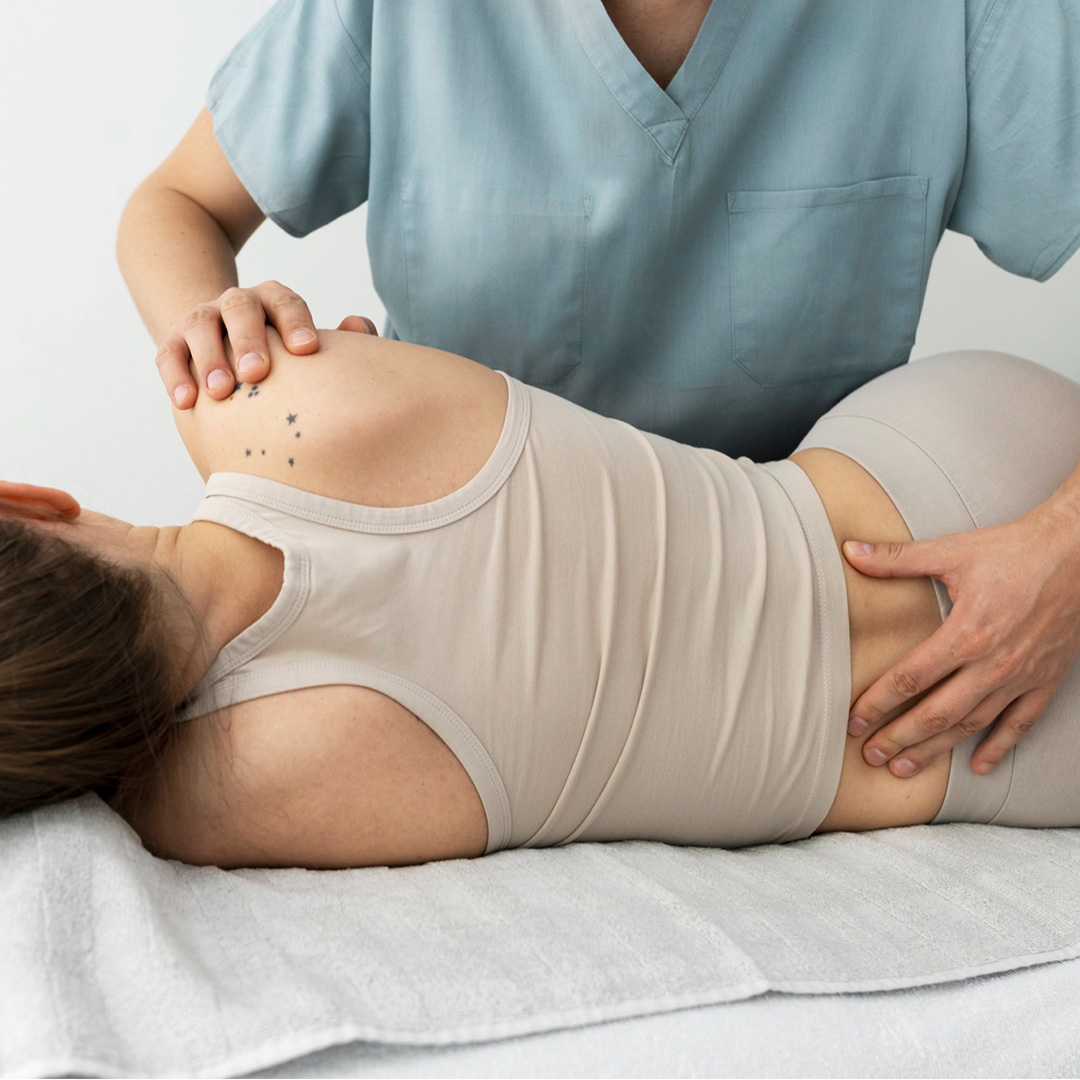
Soft tissue therapy involves hands-on techniques and manual manipulation to address soft tissue abnormalities. Therapists use their hands, fingers, and elbows to apply specific pressure and movements to the affected area.
3. Myofascial Release
One common technique within soft tissue therapy is myofascial release. This involves applying sustained pressure to the fascia (the connective tissue surrounding muscles) to release tension and improve mobility.
4. Deep Tissue Massage
Deep tissue massage is another frequently used method. It involves applying firm pressure to reach deeper layers of muscle tissue to relieve muscle knots and tension.
5. Trigger Point Therapy
Trigger point therapy is used to locate and release trigger points or “knots” in muscles that may be causing referred pain and discomfort.
6. Stretching and Range of Motion
Soft tissue therapists often incorporate stretching exercises and range of motion techniques to improve flexibility and mobility.

7. Pain Relief
Soft tissue therapy is effective for reducing pain caused by conditions like muscle strains, ligament sprains, overuse injuries, and chronic pain syndromes.
8. Injury Rehabilitation
Soft tissue therapy plays a crucial role in injury rehabilitation. It can aid in the recovery process by promoting tissue healing and reducing scar tissue formation.
9. Postural Correction
Soft tissue therapists may address postural imbalances by releasing tight muscles and improving muscle balance to correct posture.
10. Stress Reduction
Soft tissue therapy can have a relaxing effect and is often used to reduce stress and promote a sense of well-being.
11. Individualized Treatment
Treatment plans are tailored to the individual’s specific condition and needs. Therapists consider the type and location of soft tissue dysfunction and adjust techniques accordingly.
12. Preventive Care
Soft tissue therapy is not only used for addressing existing issues but also for preventive care. Regular sessions can help prevent the development of muscle imbalances and reduce the risk of injuries.
13. Complementary Therapy
Soft tissue therapy is often used in conjunction with other therapeutic approaches, such as physical therapy, chiropractic care, and sports rehabilitation.
Soft tissue therapy is suitable for individuals of all ages and fitness levels. It is commonly utilized in sports medicine, rehabilitation, and general healthcare to alleviate pain, improve function, and enhance overall well-being. Patients seeking soft tissue therapy should consult with a qualified healthcare provider or therapist to determine the most appropriate treatment plan for their specific needs.

Book an Appointment & You’re Done!
“Booking an appointment with our chiropractic services is quick and easy—just one step and you’re done! Take the first step towards a healthier you today.
Whether you’re seeking pain relief, improved mobility, or overall well-being, we’re here to help. Book your appointment now, and let us take care of the rest.”
Testimonials
What Our Clients Say


 Trustindex verifies that the original source of the review is Google.
 Trustindex verifies that the original source of the review is Google.
 Trustindex verifies that the original source of the review is Google.
 Trustindex verifies that the original source of the review is Google.
 Trustindex verifies that the original source of the review is Google.
 Trustindex verifies that the original source of the review is Google.
 Trustindex verifies that the original source of the review is Google.
 Trustindex verifies that the original source of the review is Google.
Call Now
+60 11-3908 0811
E-mail Us
info@myichiropractic.com
iChiropractic, A-2-1 (Ground Floor)
Viva, Jalan Ipoh, 51200 Kuala Lumpur